Most of us prefer to think of adulthood as a fresh start. We often perceive our childhood experiences as firmly entrenched in the past. But coping mechanisms do not respect timelines. They travel quietly. They adapt, and they grow up with us.
What once helped us survive emotionally often becomes the very thing that limits us later.
As kids, we do not choose coping strategies the way adults choose tools. We absorb them. We stumble into them. We learn what works in the environments we are given. And because children are wired for survival and connection, those strategies tend to be clever, efficient, and invisible.
The problem is not that these coping mechanisms exist. The problem is that we keep using them long after the environment has changed.
Humor as a Shield
Humor is one of the most socially rewarded coping strategies. It makes people comfortable, diffuses tension, and earns approval.
For many children, humor becomes a way to manage emotional unpredictability. When a household feels volatile, humor can redirect attention, soften conflict, and keep the emotional temperature low enough to make you feel safe.
The funny kid often learns that laughter brings connection faster than vulnerability. That joke lands better than needed; being entertaining is a safer option than being honest.
In adulthood, such an individual can look like someone who is always “fine,” always quick with a joke, and always minimizing their own pain. Humor becomes a reflex rather than a choice. Emotional depth feels risky. Serious conversations feel uncomfortable. Silence feels dangerous.
The room laughs, but the person feels unseen.
What once fostered connection now obstructs it.
Dissociation and Emotional Distance
Some children learn early that feeling too much is overwhelming. Maybe emotions were dismissed. Maybe they were punished. Maybe there was simply no one available to help regulate them.
Dissociation does not always look dramatic. Often it is subtle, like zoning out, going numb, or staying busy. The focus shifts from the body to the mind.
For a child, emotional distance can be stabilizing. It reduces intensity, creates a sense of control, and allows people to function in environments where emotional expression feels unsafe or pointless.
As adults, these individuals may struggle to feel fully present in relationships. They may describe feeling disconnected, flat, or like they are watching life from a distance. Intimacy can feel confusing or exhausting, and emotional closeness may trigger withdrawal rather than comfort.
This discussion is not a flaw; it is a nervous system doing exactly what it learned to do.
People-Pleasing as Survival
People-pleasing rarely starts as kindness; it starts as safety.
Children who learn that love is conditional often become experts at reading emotional cues. They notice shifts in tone, mood, and energy long before others do. They adapt quickly, anticipate needs, and have smooth edges.
In unpredictable or emotionally demanding environments, being agreeable can feel essential. Conflict feels dangerous, and disapproval feels catastrophic; therefore, being “good” becomes a necessary strategy.
In adulthood, people-pleasing can look like chronic overcommitment, difficulty setting boundaries, or deep anxiety around disappointing others. Decisions are filtered through external approval, and resentment builds quietly, due to which exhaustion becomes normalized.
The irony is that the skill that once maintained connection now erodes it.
Perfectionism as Control
Perfectionism often gets mistaken for ambition. But for many children, it begins as an attempt to create predictability.
When emotional environments feel chaotic, performance can feel grounding. Achievements offer structure, praise feels reliable, and rules feel safer than emotions.
Perfectionism becomes a way to earn stability. If I do everything right, maybe nothing will go wrong.
As adults, perfectionism often shows up as relentless self-criticism, fear of failure, or an inability to rest. Mistakes feel personal rather than situational. Self-worth becomes tied to output.
The nervous system stays on high alert, scanning for error.
What once created a sense of safety now creates constant pressure.
Why These Patterns Persist
Coping mechanisms stick because they work. They are reinforced socially. Humor is praised. Reliability is rewarded. Productivity is celebrated.
The nervous system does not update automatically. It needs evidence. It needs repetition. It needs safety.
Without conscious awareness, we keep applying old strategies to new situations. The body reacts before the mind can intervene. Emotional patterns feel automatic, not chosen.
This phenomenon is why people often say, “I know this does not make sense, but I still do it.”
The behavior is not logical. It is learned.
The Cost of Carrying Them Forward
When childhood coping mechanisms remain unexamined, they quietly shape adult relationships.
People struggle to ask for help. They avoid conflict even when it is necessary. They feel emotionally alone while being socially surrounded. They confuse self-sacrifice with connection.

Over time, such behaviors can contribute to anxiety, burnout, depression, and relationship dissatisfaction. This is not due to a personal issue, but rather to the outdated nature of their strategies.
The environment changed. The nervous system did not get the memo.
The Role of Early Support
When children are supported in developing emotional language, boundaries, and regulation skills early on, they are less likely to rely on survival-based coping later in life.
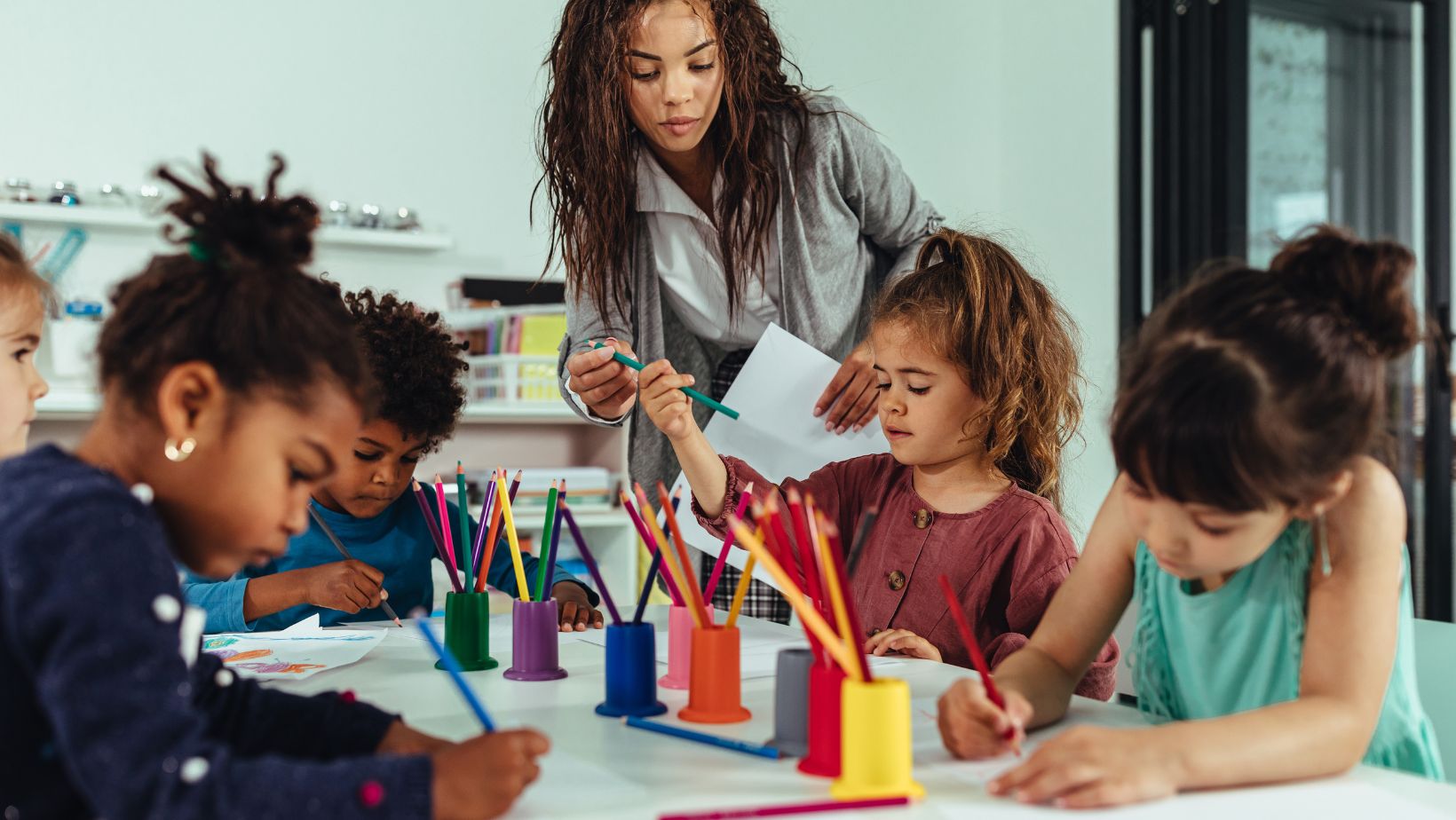
This is why early emotional support matters. Approaches like child and adolescent therapy focus on helping young people build flexible coping tools rather than rigid defenses. The goal is not to eliminate coping strategies but to expand them.
When kids learn that emotions are manageable, not dangerous, they can relax their defenses.
Therapy for children & teens can focus on helping young people build flexible coping tools rather than rigid defenses, supporting emotional regulation before survival patterns become entrenched.
They grow into adults who can adapt rather than brace.
Awareness Is Not Blame
Understanding where coping mechanisms come from is not about assigning blame to parents or caregivers. Most adults were doing the best they could with the tools they had.
This discussion is about compassion. This compassion is directed toward the child who was in need of protection. This compassion extends to the adult who continues to carry it.
Awareness creates choice. Once we recognize our patterns, we can begin to respond rather than react. We can notice when humor becomes avoidance, when perfectionism becomes punishment, and when people-pleasing replaces authenticity.
Change does not require erasing the past. It requires updating it.
Learning New Ways to Cope
Healthy coping in adulthood is not about abandoning old strategies entirely. Humor can still be joyful, structure can still be grounding, and sensitivity can still be a strength.
The difference is flexibility.
Adults with integrated coping skills can choose when to use them. They can tolerate discomfort, stay present during emotional intensity, and ask for help without shame.
These skills are learned through experience, reflection, and sometimes professional support. The nervous system needs repetition in safe contexts to learn that new responses are possible.
It is slow work. It is subtle work. It is deeply human work.
Carrying Less Forward
Childhood coping mechanisms do not define us, but they do explain us.
They tell the story of how we survived. They deserve respect, not rejection.
But survival is not the same as living.
When we understand our patterns, we gain the opportunity to soften them. To loosen their grip. We should only carry forward what still serves us.
Sometimes, the strongest growth comes from realizing that the child who learned to cope alone no longer has to.