In a fast-paced world where stress often manifests as both emotional strain and physical tension, many people overlook how intertwined the body and mind truly are. Living in a vibrant urban hub like Toronto amplifies this—long commutes on the TTC, demanding work schedules, and the constant pull of family or social commitments can lead to tight shoulders, lower back discomfort, or even chronic fatigue that feeds into feelings of anxiety or low mood. Addressing the physical side through structured rehabilitation not only eases bodily aches but also creates space for mental clarity and emotional stability. For those seeking professional guidance on integrating movement-based recovery in Toronto, https://physiotherapytoronto.com/ provides evidence-based approaches that consider both physical healing and overall well-being.
Canadian adults frequently report that musculoskeletal issues contribute to reduced quality of life, with surveys indicating that nearly 80% experience back pain at some point, often overlapping with periods of heightened stress. In urban centers like Toronto, where daily life involves extensive walking along bustling streets such as Queen West or navigating crowded paths in High Park, these physical complaints can compound mental fatigue. The cycle is familiar: tension builds in the neck from hours at a desk, leading to headaches that make it harder to unwind after a day exploring the Distillery District with friends or family. Breaking this pattern requires recognizing that movement isn’t just about fixing a sore joint—it’s a pathway to restoring motivation and calm.
Mental health challenges often have physical roots or expressions. For instance, prolonged stress triggers muscle guarding, where the body instinctively tightens to protect itself, resulting in restricted mobility around the hips or shoulders. National data shows that Canadians dealing with anxiety or depressive symptoms are more likely to report concurrent musculoskeletal pain, creating a feedback loop that can feel overwhelming. In Toronto’s diverse neighborhoods—from the energy of Kensington Market to the quieter trails along the Humber River—staying active is part of life, yet minor strains from repetitive motions, like carrying groceries or shoveling snow in winter, can limit participation and deepen feelings of isolation.
The role of posture in emotional states is another key link. Slumped shoulders from prolonged sitting not only strain the upper back but also influence mood through embodied cognition—how our physical stance signals to the brain. Studies across Canada reveal that poor posture correlates with higher rates of low mood, particularly among adults in sedentary occupations common in downtown Toronto offices. Gentle corrective exercises, focused on alignment and breathing, help open the chest and reduce the physical weight that mirrors mental burden. This isn’t about pushing through pain but about mindful restoration that supports resilience during challenging seasons.
Chronic pain, a reality for many Canadians—with low back issues alone accounting for significant disability-adjusted life years—often intersects with mental health concerns. Research highlights that individuals experiencing persistent discomfort are at greater risk for symptoms of depression or anxiety, partly because limited movement reduces opportunities for natural endorphin release. In a city like Toronto, where outdoor spaces such as the Toronto Islands or Rouge National Urban Park invite year-round activity, regaining comfortable mobility opens doors to these mood-boosting environments. Simple strategies, like progressive strengthening for core stability, not only alleviate physical restrictions but also foster a sense of accomplishment that counters feelings of helplessness.
Understanding the Body-Mind Feedback Loop
The connection between physical tension and mental strain runs deeper than surface-level aches. When the body holds stress—perhaps from clenching jaws during a stressful meeting or tightening hips while standing on crowded streetcars—it sends signals back to the brain that reinforce alertness or unease. Canadian health reports note that stress-related disorders frequently present with physical symptoms, affecting millions and contributing to absenteeism in workplaces across provinces like Ontario.
In Toronto’s dynamic setting, this loop can intensify. Commuting through traffic on the Gardiner Expressway or hurrying between appointments in the Financial District places repeated demands on the body, leading to imbalances that manifest as fatigue or irritability. Data indicates that urban dwellers report higher instances of tension headaches and neck pain, often linked to ergonomic challenges in modern work setups. Addressing these through targeted mobility work helps interrupt the cycle, allowing for deeper rest and clearer thinking.
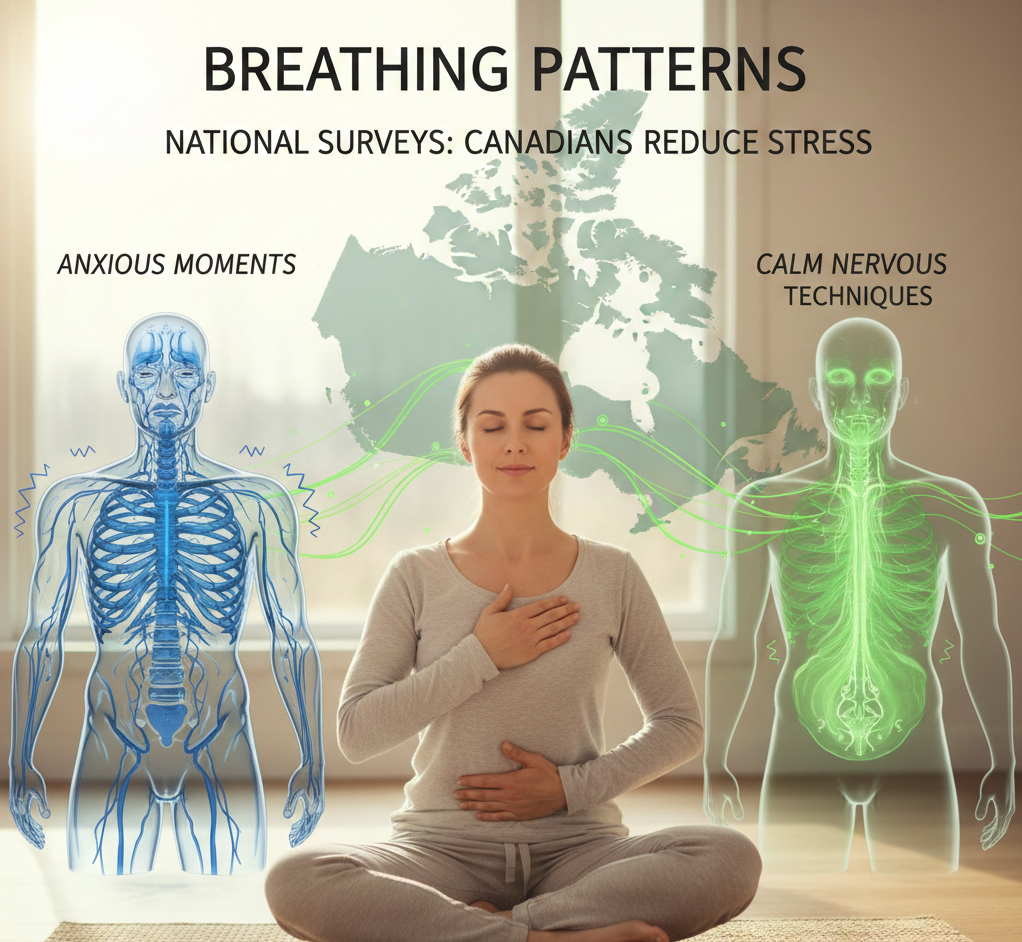
Breathing patterns play a subtle yet powerful role. Shallow chest breathing, common during anxious moments, limits diaphragm movement and perpetuates upper body tightness. In contrast, diaphragmatic techniques—often incorporated in rehabilitation—promote relaxation responses that calm the nervous system. National surveys show that Canadians practicing mindful breathing alongside gentle movement experience reductions in both perceived stress and physical discomfort, highlighting the practical benefits for daily life.
Sleep quality ties in closely, as physical discomfort disrupts rest, which in turn heightens emotional sensitivity. With many Toronto residents navigating shift work or late-night commitments in entertainment districts like King West, restoring comfortable positions for sleep becomes essential. Evidence from Canadian sleep studies underscores that improving spinal alignment and reducing muscle tension leads to better rest cycles, supporting emotional regulation the following day.

Practical Strategies for Building Physical Resilience
Starting small creates momentum. Incorporating short, intentional movement breaks—such as walking stretches during lunch hours near Nathan Phillips Square—helps release accumulated tension without requiring extensive time. Canadian guidelines emphasize that even moderate activity reduces the risk of chronic musculoskeletal issues, which in turn supports mental clarity amid busy routines.
Strengthening the core and posterior chain counters the forward pull of desk work or device use, common in Toronto’s tech and creative sectors. Exercises focusing on glute activation and scapular stability not only ease lower back strain but also improve posture, fostering a sense of grounded confidence. Statistics reveal that adults engaging in regular resistance training report lower levels of stress hormones, illustrating the protective effects.
Flexibility work, like gentle hip openers or thoracic rotations, addresses restrictions from prolonged sitting on public transit or in meetings. In a city where cycling along the Martin Goodman Trail or yoga in community studios is accessible, blending these into routines enhances overall mobility. Research across Canada shows that improved range of motion correlates with reduced symptoms of anxiety, as freer movement allows for fuller expression and release.
Mindful walking, perhaps along the waterfront at Harbourfront Centre, combines physical benefits with present-moment awareness. This practice encourages noticing bodily sensations without judgment, helping disentangle physical tension from emotional narratives. Urban parks and green spaces in Toronto provide ideal settings, with studies indicating that nature exposure amplifies the calming effects on both body and mind.
Overcoming Barriers to Consistent Movement
Motivation dips are common, especially when initial discomfort or busy schedules interfere. Recognizing that starting with just a few minutes daily builds habits over time shifts the perspective from overwhelming to manageable. Canadian data on behavior change highlights that small, consistent actions lead to sustained improvements in both physical function and mood stability.
Fatigue from mental load—planning errands around Farmers’ Markets or coordinating family outings to the Ontario Science Centre—can make movement feel like another task. Framing it as self-care rather than obligation helps, with approaches that prioritize listening to the body’s signals on any given day. Flexibility in routines accommodates Toronto’s variable weather, shifting indoors to community centres when needed.
Social support enhances adherence. Joining low-key groups for walks in Trinity Bellwoods Park or online communities sharing recovery experiences creates accountability without pressure. National participation rates in community wellness programs demonstrate higher long-term engagement when connection is involved.
Tracking progress subtly—noting easier stairs at subway stations or reduced tension after a day—reinforces positive associations. Over time, these shifts contribute to greater emotional bandwidth for handling life’s ups and downs.
Long-Term Impacts on Daily Well-Being
Sustained attention to physical resilience yields compounding benefits. As mobility improves, participation in meaningful activities—like exploring the Aga Khan Museum or enjoying festivals at Yonge-Dundas Square—increases, enriching life quality. Canadian longitudinal studies link regular movement with lower incidence of mood disorders, underscoring the preventive potential.
Reduced physical limitations mean fewer days sidelined by discomfort, allowing for consistent presence in work, relationships, and personal pursuits. In Toronto’s multicultural fabric, this supports engagement in diverse traditions and community events without hesitation.
Ultimately, nurturing the body’s capacity for ease creates a stable foundation for mental fortitude. The interplay ensures that challenges—whether a demanding week or seasonal changes—meet a more adaptable response system.
FAQS
How does physical pain influence mental health?
Physical discomfort often heightens stress responses and can contribute to feelings of low mood or anxiety through ongoing signals to the brain. In Canada, many adults report overlapping musculoskeletal and emotional challenges, but addressing one supports the other.
What simple movements help release stress-related tension?
Gentle stretches for the neck, shoulders, and hips, along with mindful breathing, can ease built-up tightness. Incorporating short walks in local parks or along urban trails provides accessible ways to start.
Why is posture important for emotional well-being?
Posture affects breathing, confidence, and brain signaling—open stances promote calmer states, while slumped positions can reinforce fatigue. Improving alignment through targeted exercises supports both physical comfort and mental clarity.
How can urban living in Toronto affect body-mind balance?
Daily commutes, work demands, and active lifestyles offer opportunities for movement but also build tension. Leveraging the city’s green spaces and community resources helps restore equilibrium through consistent, gentle practices.