Household dust is rarely just one substance. It’s actually a mixture of things—fibers from textiles, soil and pollen tracked in from outside, pet dander, flakes of shed human skin, and the microscopic remains of dust mites. Spotting dust on a shelf doesn’t automatically mean your home is unhealthy, but for people with allergies or asthma, a heavier dust load can make symptoms noticeably worse. Getting on top of dust isn’t really about one marathon cleaning session—it’s about layering source control, moisture management, decent ventilation, and cleaning methods that actually trap particles instead of just stirring them into the air. Tools help, but they’re a supporting act at best. A cordless vacuum, for example, works well for stairs or upholstery that a bulkier machine can’t easily reach, but no single appliance substitutes for a consistent, well-thought-out routine.
Where Household Dust Comes From
Indoors, dust builds up from several overlapping sources: soil and pollen carried in on shoes and pets, fibers shed from carpets and bedding, pet dander, and waste left behind by dust mites. Cooking, candles, fireplaces, and smoking add their own share of airborne particles too. So why does one home seem dustier than another? Flooring type, clutter, humidity, ventilation, and how often surfaces get cleaned all factor in. It also helps to distinguish settled dust—the visible film on furniture—from airborne particles, since the two behave differently and call for different management approaches.
It’s just as important to separate ordinary household dust from other indoor air concerns, like mold, combustion byproducts, or volatile chemicals. A persistent musty smell, visible mold, or ongoing respiratory symptoms are signs that it may be time for a professional evaluation rather than simply dusting more often.
Start with Source Control
Keeping dust from entering your home in the first place is usually more effective than chasing it around afterward. A few simple habits go a long way: doormats at every entrance, removing shoes indoors, washing pet bedding on a regular schedule, and keeping clutter to a minimum since it tends to collect dust. Fixing leaks and dealing with damp materials quickly also removes conditions that feed dust-related allergens. Furnishing choices matter as well—washable covers and hard-surface furniture are generally easier to keep clean than heavy drapes or wall-to-wall carpeting. That said, ripping out carpet or swapping furniture isn’t necessary in every household; these decisions should come down to health needs, budget, and what’s actually practical.
Use a Cleaning Sequence That Limits Dust Redistribution
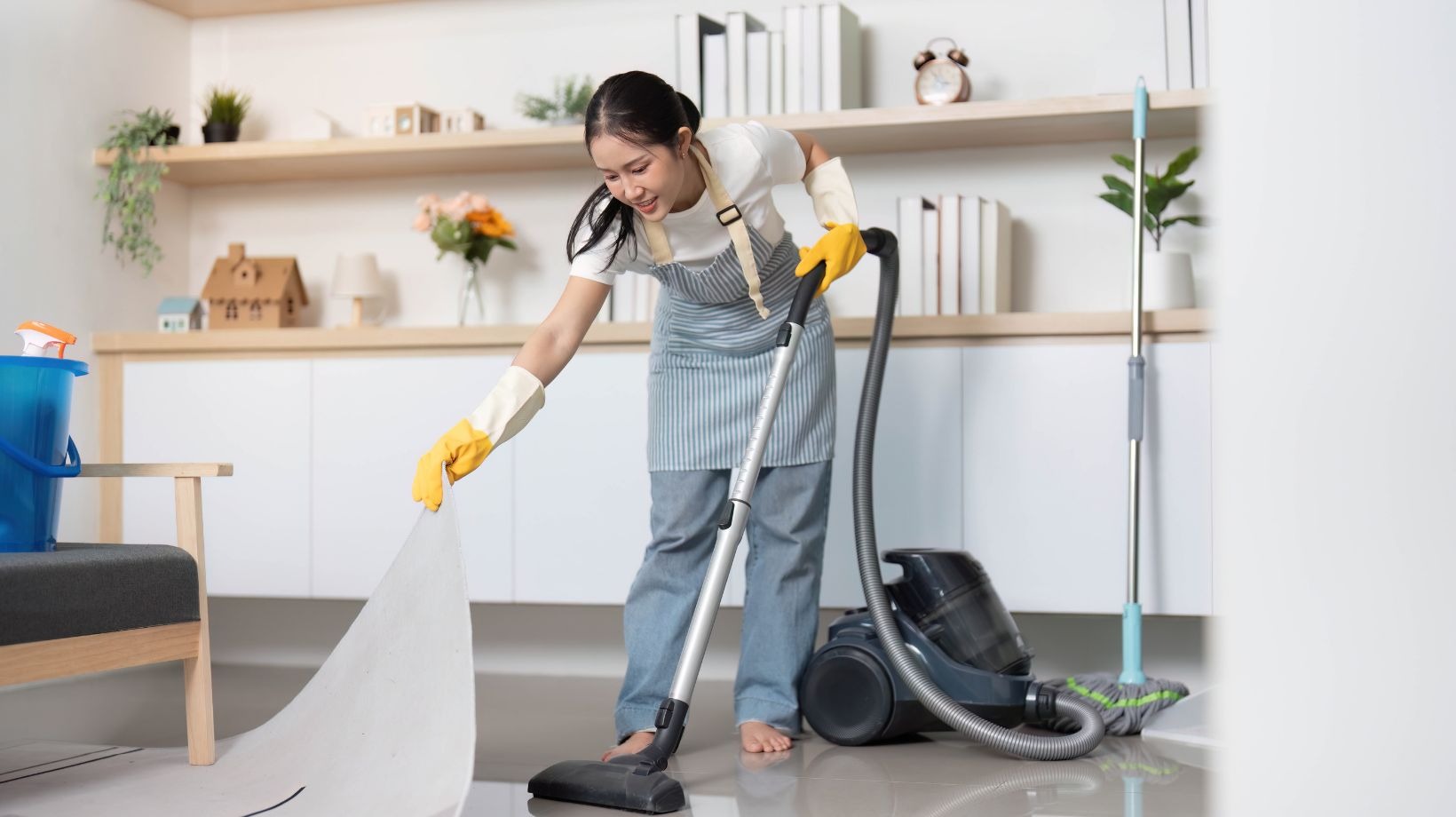
Working from high to low—ceilings and shelves first, floors last—keeps dust from resettling on spots you’ve already cleaned. Damp dusting with a microfiber cloth or a damp mop captures particles instead of scattering them around, which is exactly why dry dusting tends to get discouraged. Vacuum carpets, upholstery, and floor edges methodically, following whatever maintenance schedule the manufacturer recommends, including emptying containers and swapping filters as directed. Performance really comes down to the whole system—seals, upkeep, and correct use—rather than any one filter type doing all the work. Anyone highly sensitive to allergens might prefer stepping out of the room during vacuuming and letting the dust settle before heading back in.
Control Moisture to Manage Dust Mites and Mold Risk
Dust mites thrive in warm, humid air, and that same excess moisture also sets the stage for mold. Keeping indoor relative humidity at or below roughly 50%—a hygrometer makes this easy to track—helps keep both in check. Practical steps include venting bathrooms and kitchens properly, running dehumidifiers or air conditioning when needed, and drying out wet areas promptly instead of letting them linger. Humidity control isn’t a substitute for cleaning or for professional mold remediation when growth is extensive, and mold should never just be painted over without first dealing with its moisture source.
Pay Special Attention to Bedrooms and Soft Furnishings
Bedding accumulates dust-mite allergens quickly, so it’s worth washing sheets in the hottest water the fabric can handle. Allergen-resistant encasements for mattresses and pillows can make a real difference for households dealing with dust-mite sensitivities. Cutting back on decorative textiles in sleeping areas can also help reduce dust buildup. For carpets and upholstery, regular vacuuming—adjusted depending on pets and foot traffic—combined with label-appropriate cleaning keeps fabrics in reasonable shape. Just avoid soaking these surfaces with liquid, since trapped moisture can invite microbial growth.
Improve Ventilation Without Bringing in More Pollutants
Exhaust fans in kitchens and bathrooms pull moisture and particles out at the source, which makes them worth using consistently. Opening windows is a good move when outdoor air quality is decent, but less so on high-pollen or high-pollution days. Keeping HVAC filters maintained according to manufacturer guidance also supports steadier air quality over time. Organizations like the U.S. Environmental Protection Agency and the American Lung Association publish guidance on humidity control and ventilation that can help households make informed choices—rather than reaching for a fragranced spray that only masks whatever’s actually going on underneath.
Adapt the Routine to Different Household Needs
No single routine works for every home. Pet owners may need to pay extra attention to entryways and pet bedding, while households with kids should prioritize floors and frequently touched surfaces, keeping cleaning products stored safely out of reach. People with allergies might benefit from cutting down on dust reservoirs in bedrooms specifically, while small apartments often do best focusing on high-impact zones like entryways and kitchens. Older adults or anyone with mobility limitations might opt for lighter tools and break the work into shorter sessions rather than tackling it all at once.
Common Dust-Control Mistakes to Avoid
Some missteps come up again and again: dry-dusting instead of damp-cleaning, focusing only on floors while neglecting upholstery and curtains, ignoring leaks or condensation, and skipping regular maintenance on vacuum filters and bags. Assuming a room looks clean means the air is free of particles—or relying on strong fragrances to cover up a musty smell—tends to mask the real problem rather than fix it.
Practical Dust-Control Checklist
- Place and use doormats
- Keep indoor humidity near or below 50% where practical
- Dust hard surfaces with a damp cloth
- Vacuum floors and fabric surfaces routinely
- Wash bedding regularly
- Clean or replace ventilation and vacuum filters as directed
- Fix leaks and dry damp materials promptly
- Adjust ventilation based on outdoor air conditions
Effective dust control is a system, not a single product: prevent particles from entering, reduce moisture, clean in a sequence that captures dust, and maintain the tools used for cleaning.
Building a Sustainable Cleaning Routine
Consistent, targeted cleaning generally wins out over occasional deep-cleaning binges. The most effective combination pairs source control, damp dusting, routine floor and textile cleaning, humidity management, and regular filter maintenance. Start with the areas where dust piles up fastest or where household members notice symptoms most. If coughing, wheezing, visible mold, or persistent moisture problems continue despite your best efforts, it’s reasonable to bring in a healthcare provider, landlord, or qualified indoor-environment professional. At the end of the day, the best routine is the one that’s realistic for your household and that you can actually keep up over time.