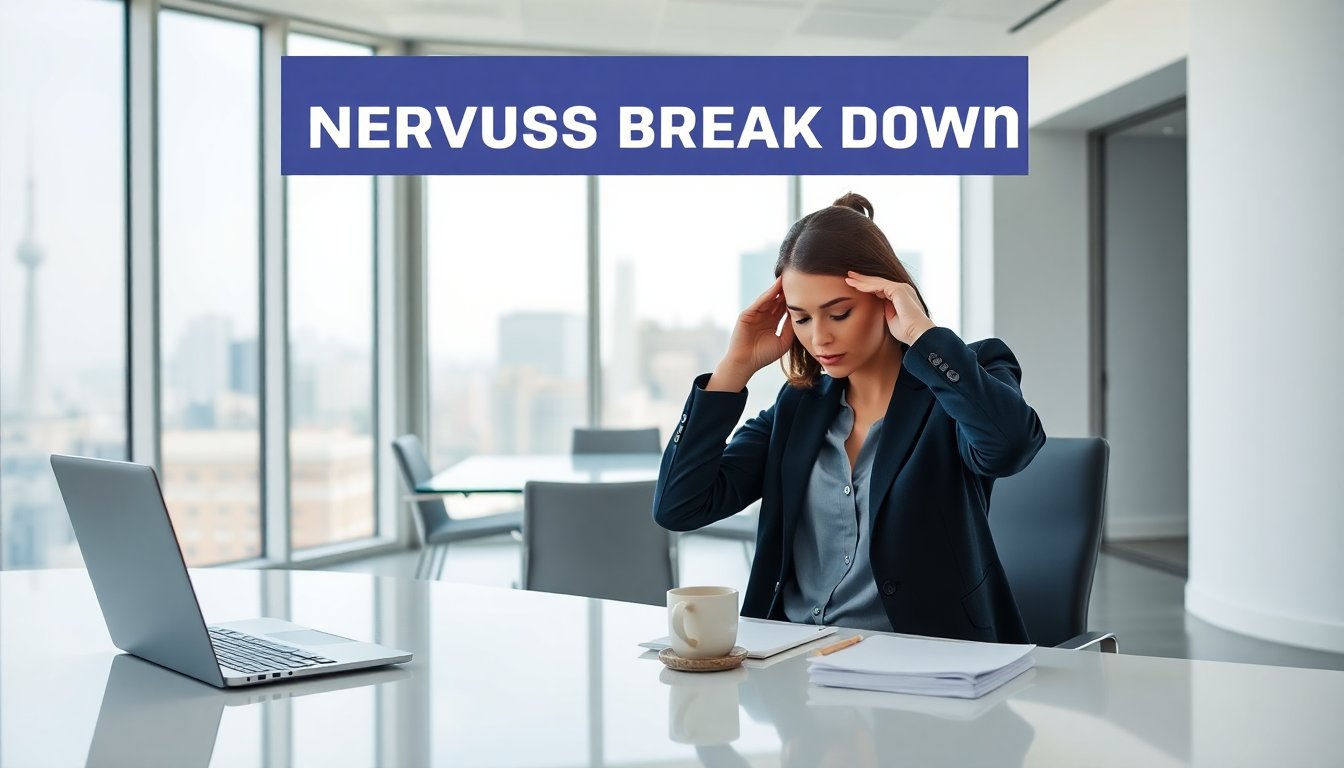
The nervous break down meme names a short, often dramatic clip used to show personal stress. It pairs an image or video with text that frames a sudden collapse or panic. People share the nervous break down meme to laugh, to cope, or to signal overwhelm. The meme can feel relieving, or it can feel hurtful when it targets real mental health struggles.
Key Takeaways
- The nervous break down meme uses short clips with captions to humorously express sudden stress or panic, making it relatable and shareable.
- Its viral spread was fueled by platforms like TikTok, Reddit, and Instagram, where remix culture and easy editing tools help it evolve rapidly.
- Common formats include silent loops with bold text, short voice clips, and split-screens illustrating cause and effect, often customized to current events or everyday stressors.
- Creators should keep captions concise and readable, test memes before posting, and ensure humor aligns with the visual timing for maximum impact.
- While the nervous break down meme resonates by helping people laugh at stressful moments, it can be harmful if it mocks real mental health struggles or personal crises, so responsible sharing is essential.
What The “Nervous Break Down” Meme Actually Is
The nervous break down meme shows a person, animal, or character in a rapid emotional collapse. Creators add brief captions that explain a trigger or a sudden realization. Viewers interpret the caption and the image together. The meme often uses short loops, reaction GIFs, or clip edits. People use the nervous break down meme to express stress, surprise, or a funny overreaction. It stays brief and clear so readers grasp the joke fast. The meme sometimes uses irony. The image may show calmness before the caption flips the meaning. The nervous break down meme often relies on timing. Timing gives the meme its punch.
Origins, Viral Spread, And Typical Platforms
The earliest variants trace to short-form videos and reaction GIFs from the 2010s. A few viral clips on Reddit and Tumblr set the tone. TikTok and Twitter later pushed the meme into mainstream feeds. Instagram Reels and TikTok sped up the spread with easy remixing tools. Users on Reddit and Tumblr kept older formats alive with GIF edits. The meme spread across platforms because creators reused the same audio or clip. Remix culture made each version visible to new audiences. Algorithms then amplified the most shared posts. The nervous break down meme found a home where quick reactions and editing tools exist. Platforms with sound tracks and easy cropping help the meme mutate faster.
Common Variations, Formats, And Quick Creation Tips
Common formats include a silent loop with bold text, a short voice clip layered over footage, and a split-screen that shows cause and effect. Variations often change the subject of stress. Creators swap the caption to match current events, work life, or relationship moments. For a quick creation, pick a clear clip and add a short caption. Keep the caption under 10 words. Use readable fonts and high contrast. Resize the clip to the platform’s preferred ratio. Add a brief audio cue for impact if the platform supports sound. Test the meme on a small group before posting. If the meme aims to be humorous, ensure the caption matches the visual beat. If the meme references a public event, verify facts first.
Why The Meme Resonates — And When It Crosses A Line
The nervous break down meme resonates because people feel stress and want a quick way to share that feeling. The meme compresses emotion into a single image and caption. That compression lets people laugh at their situation and feel less alone. The meme crosses a line when it mocks people with real mental health diagnoses. It also crosses a line when it targets survivors or traumatized groups. Creators and sharers should check intent and impact. If a version uses a real person’s crisis, the meme likely harms others. If the meme jokes about a public frustration, it usually stays in safe humor. The responsible choice is to avoid personal attacks and avoid using content that exploits someone’s real suffering. Audiences judge tone quickly, so a misplaced joke can backfire fast.