Sober, But Betting: Why Sports Betting Apps Are a Hidden Relapse Risk
You put down the bottle. You stopped using. You did the hard work and you’re in recovery.
And then, almost without noticing, you started checking the app.
In the last few years, sports betting has moved from something you did at a casino in Las Vegas to something that lives on your phone, next to your email and your texts. It’s legal now in most states. It’s advertised during every game. Your coworkers talk about their parlays the way they used to talk about fantasy football. And for someone in recovery from alcohol or drugs, it can become a serious problem before anyone, including you, recognizes it for what it is.
I’ve been working in addiction and recovery for over 40 years. The mechanics of this are not new to me, even if the technology is.
The Rush of Gambling is the Same as Using Drugs
Addiction isn’t just about a substance. It’s about what the substance does: the relief, the excitement, the way it temporarily quiets something that’s been loud for a long time.
When someone gets sober, they lose that mechanism. The craving doesn’t disappear with it. The brain that learned to chase that feeling is still there, still looking for a substitute. This is what’s called addiction transfer, and it’s more common than most people realize.
Sports betting delivers the same neurological hit as alcohol or drugs for a lot of people in recovery. The anticipation before a game. The chase after a loss. The secrecy that starts to build around it. If any of that sounds familiar, it should, because it’s the same pattern, just wearing different clothes.
Easy Access: What Makes the Apps Dangerous
A casino requires effort. You have to get there. You have to be around other people. Someone might see you.
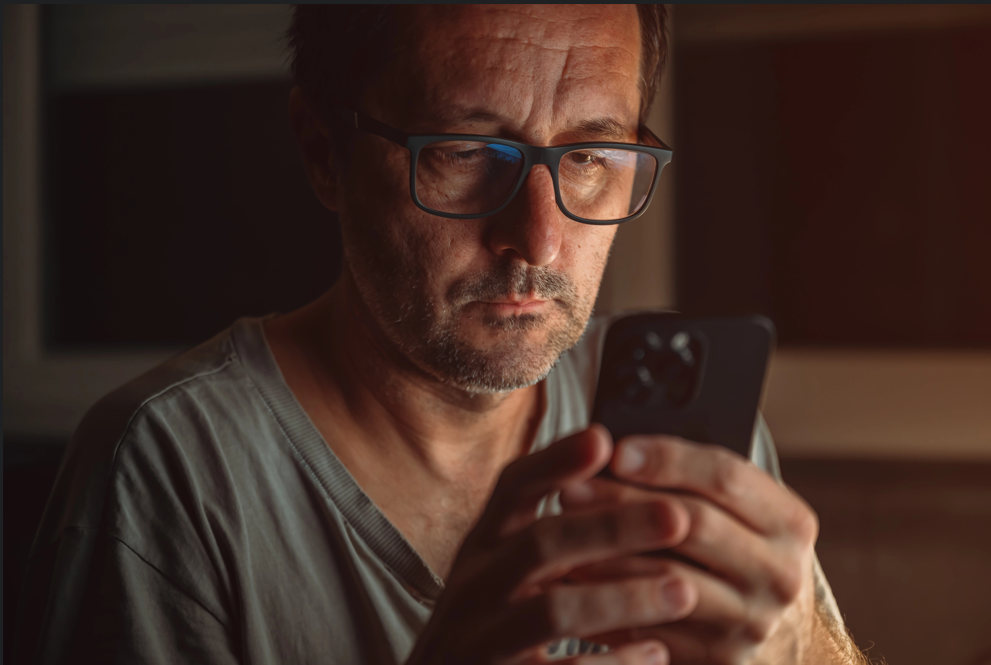
A betting app requires nothing. It’s on your phone at 2 AM. Nobody can smell it on your breath. There’s no bartender cutting you off. You can lose $500 in an hour while sitting in your car in a parking lot, and no one around you has any idea.
The people who design these apps understand behavioral psychology very well. They’re built to keep you engaged. Free bets to get you started. Promotions tied to games you’re already watching. Notifications pushing you back in when you’ve gone quiet. The same mechanics that keep people scrolling social media have been applied to gambling, with real money on the line.
The National Council on Problem Gambling has flagged sports betting as carrying higher risk of problematic play than most other forms of gambling.
Warning Signs I See in Early Recovery
In my years of working with people in recovery, I’ve watched this pattern develop up close. The warning signs look like this:
The person becomes preoccupied. They’re checking odds during conversations, during dinner, during family events. Their attention is somewhere else.
They start keeping secrets. They’re vague about how they’re spending money. They minimize or deny how much time they’re spending on it. That secrecy is one of the clearest signs I know that something has crossed a line.
The money stops adding up. Nothing obvious at first. Then the credit card balance, the borrowed money, the explanation that doesn’t quite make sense.
They’re chasing. After a loss, they need to bet again to get even. The size of the bets grows. There’s urgency that wasn’t there before.
The emotional swings start to look familiar. High when they win. Devastated when they lose. Irritable and restless when they’re not betting. That cycle: anyone who has lived inside addiction will recognize it.
Why Treatment Has to Screen for This
When someone comes to us at Confidential Recovery, we don’t just ask about drugs and alcohol. We ask about gambling. We ask about other behaviors that might be filling the same role.
Too many treatment programs don’t. They treat the substance, get the person stable, and send them back into the world without addressing the underlying patterns that made the substance attractive in the first place. When those patterns are still there and a sports betting app is sitting on their phone, the conditions for a problem are already set.
Good treatment looks at the whole person. It asks: what is this person using to manage how they feel? It doesn’t assume the answer is only drugs or alcohol.
For people already in recovery, the same principle applies. If you’ve been sober for six months and you’ve also been betting every day, that’s worth talking about with your counselor or therapist. It’s not a moral failing. It’s your brain doing what it learned to do. But it needs to be addressed, or it will undermine the recovery you’ve worked hard to build. A solid relapse prevention plan should account for gambling and other compulsive behaviors, not just drugs and alcohol.
For Families of Someone Drifting into Online Betting
If you have a loved one in recovery and you’ve noticed a shift in their behavior around sports betting, take it seriously. The instinct might be to feel relieved: at least they’re not drinking. But addiction transfer is real, and the consequences of a gambling problem can be severe.
You don’t have to wait for a crisis to say something. A direct, calm conversation about what you’re observing is a reasonable thing to do. And if they’re in treatment or working with a counselor, encourage them to bring it up.
Recovery is about building a life that doesn’t need to be escaped from. A betting app you’re hiding from the people who care about you is not part of that life.
If you or someone you know is in recovery and struggling with gambling or other compulsive behaviors, Confidential Recovery can help. We work with people who are navigating exactly this: sober from substances but recognizing that the underlying patterns haven’t been fully addressed. Reach out and let’s talk.
About the Author
Scott H. Silverman is a best-selling author whose latest book is You’re Not God, That Job is Taken. He is also a nationally recognized interventionist and addiction recovery expert based in San Diego, California. With decades of experience helping individuals and families navigate the path to recovery, Scott is a passionate advocate for accessible, effective addiction treatment. He is affiliated with Confidential Recovery, an outpatient treatment center serving the San Diego community.