Your first testosterone consultation starts with questions, rather than a prescription. You may come with some concerns about fatigue, loss of libido or loss of strength. The visit provides you an opportunity to discuss what you have noticed is changing these days.
The clinician examines your concerns, your health and reviews testing. Bring along your list of current medications and any previous blood tests. In addition, find out whether there is a need for testing in the mornings. If so, determine whether fasting overnight is needed.
It is essential to understand what will happen next in the treatment process. If the person knows what’s going to happen, then the initial conversation won’t be so awkward.
Steps Involved in Your First TRT Clinic Consultation
Below is an outline of what to expect during your initial TRT Clinic consultation.Step 1: Discussing Your Symptoms and Health Concerns
Start with action steps that brought you to this particular appointment. Your libido could have been drastically reduced. Or you could have a reduced number of morning erections.
You might be feeling exhausted because you did not sleep much in the afternoon. Record when it all started and whether it happens every single day.
Talking about concrete things such as feeling older lately will help more. For instance, describe how fatigue disturbs job, activity or family time. It is possible that your physician will inquire about any changes in your sex drive, mood, concentration, and physical strength.
The responses need to be truthful because this will help in the assessment process, although you may find that it can become very personal at times.
Let them know if you have any breast pain, reduced body hair, or fertility problems when having intercourse with your spouse. No medical words are necessary to account for the changes that have occurred.
It’s good to keep a symptom diary to explain things during the visit. However, even if you suffer from all of the symptoms mentioned in relation to fatigue and sadness, there is no guarantee that you have been diagnosed with low testosterone levels since many other medical conditions cause similar symptoms.
Step 2: Reviewing Your Medical History and Lifestyle Factors
The medical history is necessary to provide explanations for the symptoms and concerns before treatment. If coming to an office appointment, carry a list of medications, including over-the-counter medication and supplements you were prescribed.
Mention using anabolic steroids, regardless of how long ago. Besides, mention previous diagnoses, surgeries, and tests of the testicles and hormonal tests, which may affect the results. Diabetes, obesity, and sleep disorders may affect this information.
Discuss snoring and choking upon awakening, without mentioning the sleep diagnosis. Your care provider should think of heart disease, clots and prostate disease. If there was a heart attack or stroke recently, this may affect the treatment plan.
Routine activities are also very important; students will have to mention the amount of alcohol consumption, exercise, and diet. Mention your routine and possible sleep disorders, especially if you work night shifts.
Step 3: Undergoing a Physical Examination
The examination seeks to identify aspects not described in the symptom presentation. You may be subjected to tests including taking your blood pressure and weight. There could be an assessment of body hair, breast tissue, and muscle changes.
In the case that is necessary, a genital examination is conducted in order to assess the testicle size and/or any abnormalities in the testicles. Explain what the examination entails; you may ask for a chaperone. Prostate assessment depends on age, symptoms, and risk factors.
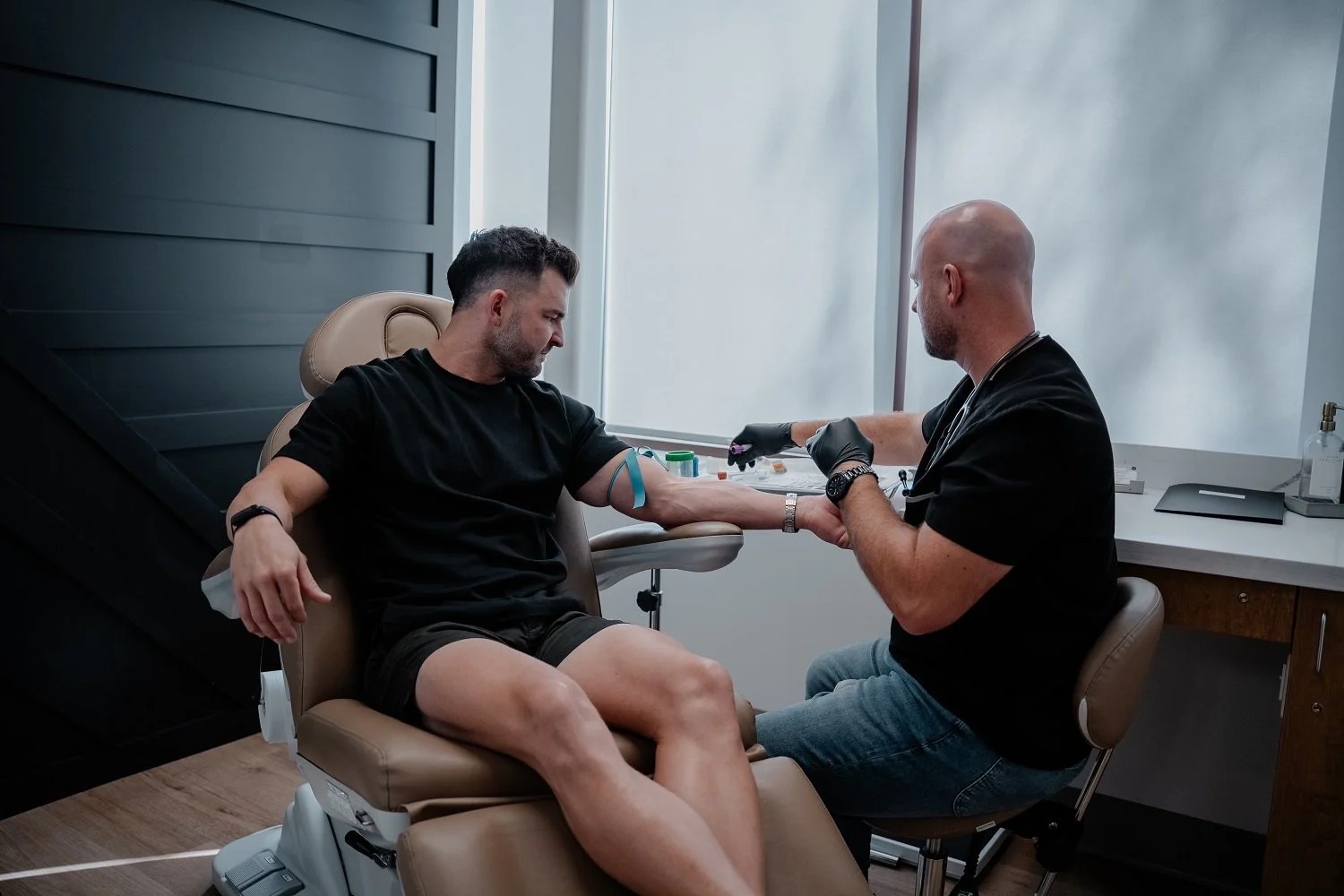
Not all first consultations require a rectal examination. Blood testing is needed, though, to make a diagnosis of low testosterone. Symptoms are usually enough to make a diagnosis, but two consecutive low morning readings are necessary.
The instructions for fasting should be given by your clinician and the time of the sampling should be arranged by the clinician. Ask what the tests should be like if you work at night. Depending on the results, further tests can be conducted to test for the cause of low T.
These include hormones which can regulate the production of testosterone in your body. Before treatment your level of red blood cells may be established through a blood count.
Inquire about the timeline for results and who will interpret them. Additional appointments may be needed before making treatment recommendations by the clinician.
Step 4: Discussing Hormone Replacement Treatment Options and Creating a Care Plan
Treatment talks should link up findings to symptoms and priorities. Options can be discussed during this visit, before receiving test results. When treatment is appropriate, your clinician discusses the benefits, limits, and risks.
There are variations between the way injections are handled and the convenience of the use of injection versus skin gels, as well as in the dosing schedule. Inquire about the people who administer injections and if you would get training to do injections at home.
Other alternatives are available if needed and appropriate. Explain acne, increase in red blood cells and possible effects on fertility. Testosterone can also cause an increase in blood pressure, so it’s important to keep an eye on that.
Express your concerns about needles, travel, house duties and medication storage. Ask what signs and symptoms might get better and when your clinician would check to see if progress is being made.
In the US, there are variations in insurance coverage and costs among plans. Ask for individual quotes on prescriptions, laboratory fees and appointments, and membership fees.
Step 5: Scheduling Follow-Up Appointments and Monitoring
Make arrangements and check with people as to how results will be communicated prior to departure. In cases where tests are not completed during the initial visit, there may be a second visit geared towards confirming diagnostics.
Your clinician may arrange for an early review and subsequent reviews over a number of months. Request dates; don’t leave with a suggestion to go back some day. Bloodwork assists in determining blood counts and if any blood counts are increased with use of the treatment.
Your provider may adjust treatment when benefits remain limited or problems develop. Do not change your dose yourself based on how one day feels. Confirm whom to contact between visits and whether additional appointments cost extra.
Conclusion
Your first TRT clinic visit gives you time to discuss your concerns. You can share changes in sleep, sex drive, and daily energy. Bring your health records and ask what each blood test checks.