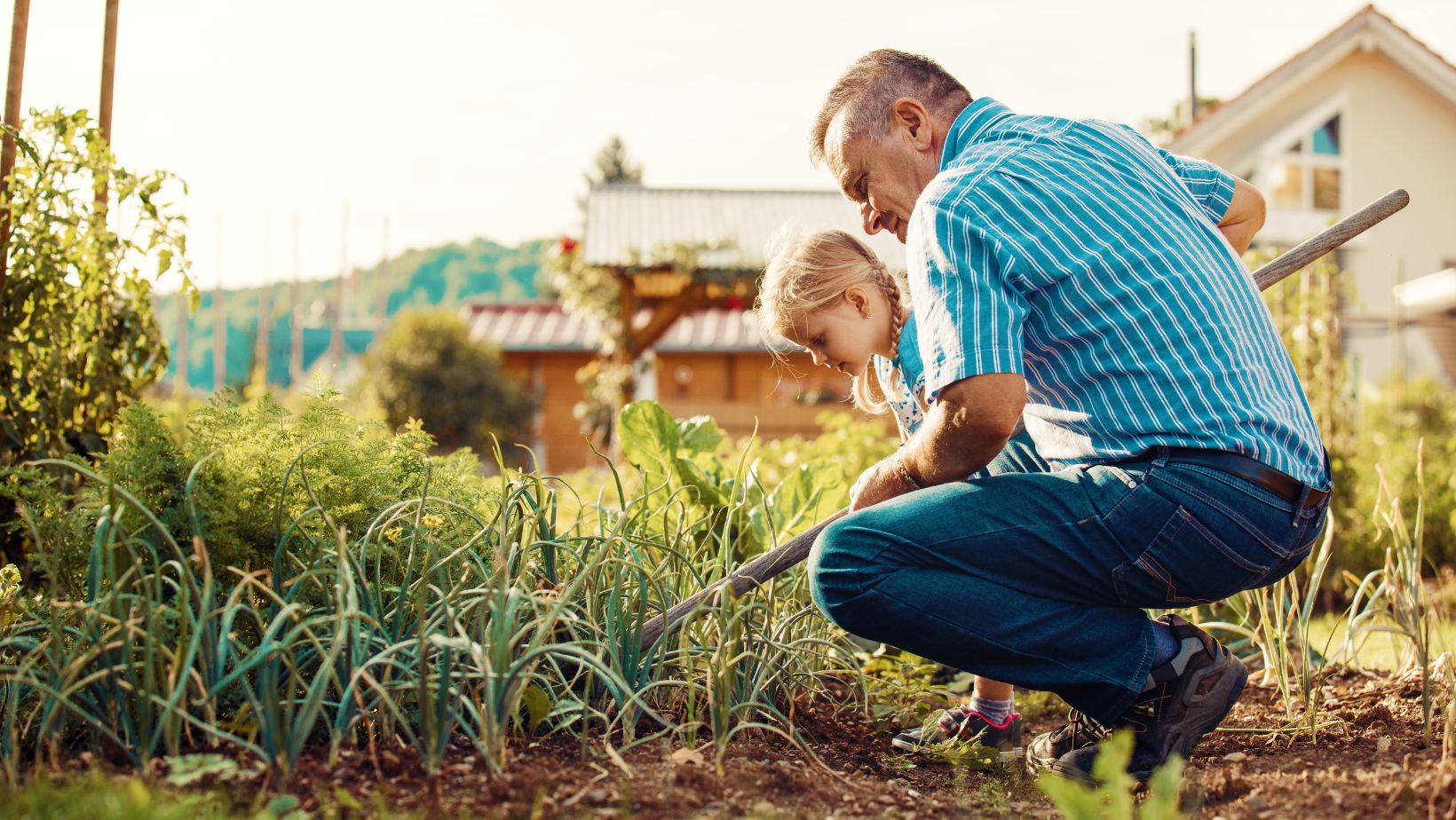
There’s something timeless about the act of digging your hands into the soil. Gardening slows the world down, turning even a few quiet minutes outside into something grounding and restorative. It’s more than a hobby; it’s a form of connection to the earth, to others, and to ourselves. For Vikki Nicolai La Crosse, gardening is both a personal refuge and a bridge to something larger: a way to grow creativity, community, and well-being from the ground up.
Cultivating Connection
Every garden has a story to tell, and frequently, multiple sets of hands are involved. Small community projects, shared plots, and neighborhood gardens have a way of uniting people despite their differences. It may begin with someone giving advice or seedlings, and soon it develops into conversations over garden fences, mutually caring friendships, and shared harvests.
Gardening gives people a reason to gather, and that gathering has a kind of healing rhythm to it. There’s collaboration in planting, celebration in harvest, and learning in every misstep. In that sense, gardens become social spaces without pretense, places where people connect without titles or transactions.
Small gardening projects can revitalize communities. When people take pride in a shared green space, it changes how they feel about where they live. An abandoned lot turns into a source of pride. Conversation is encouraged by a row of flowers by a sidewalk. A communal tool shed or compost system becomes a representation of teamwork. A stronger sense of belonging is frequently sparked by the act of caring for something together.
The Creative Side of Soil
While gardening requires routine, watering, pruning, and planting, it’s also deeply creative. The process invites imagination: choosing what to grow, designing layouts, experimenting with colors and textures. A garden can reflect a person’s personality as much as their home decor or wardrobe does. Some find beauty in tidy rows of herbs; others thrive in the wildness of native plants growing freely together.
Creativity shows up not only in the visuals but in the problem-solving. How do you make the most of limited space? How do you help plants thrive in stubborn soil? Each challenge calls for intuition, patience, and invention. Over time, that creative mindset spills beyond the garden gate. People who garden often find themselves approaching other parts of life with the same blend of curiosity and experimentation.
There’s also joy in imperfection. Both nature and our lives don’t develop in a linear fashion. Acceptance is taught by finding beauty in the crooked tomato plant or the patch of clover that won’t go away. Growing a garden serves as a reminder that creativity is about working together with something greater than ourselves, not about having control.
Wellness in the Process
It’s simple to associate wellness with physical activity or meditation, but gardening has its own peaceful therapeutic benefits. Digging, lifting, and stretching are physical activities that provide a natural workout. From the sound of rustling leaves to the scent of the soil, the sensory experience helps soothe the nervous system. Even a brief period of time spent caring for plants can lower stress, elevate mood, and increase focus, according to studies.
Beyond the science, though, there’s something incredibly human about how gardening helps us rediscover rhythm. It serves as a reminder that things do not always happen right away. It takes time for seeds to sprout. You can’t rush the weather. Patience is necessary for growth. In a world that values speed and steady output, that slower pace has its own kind of medicine.
Gardening as Everyday Activism
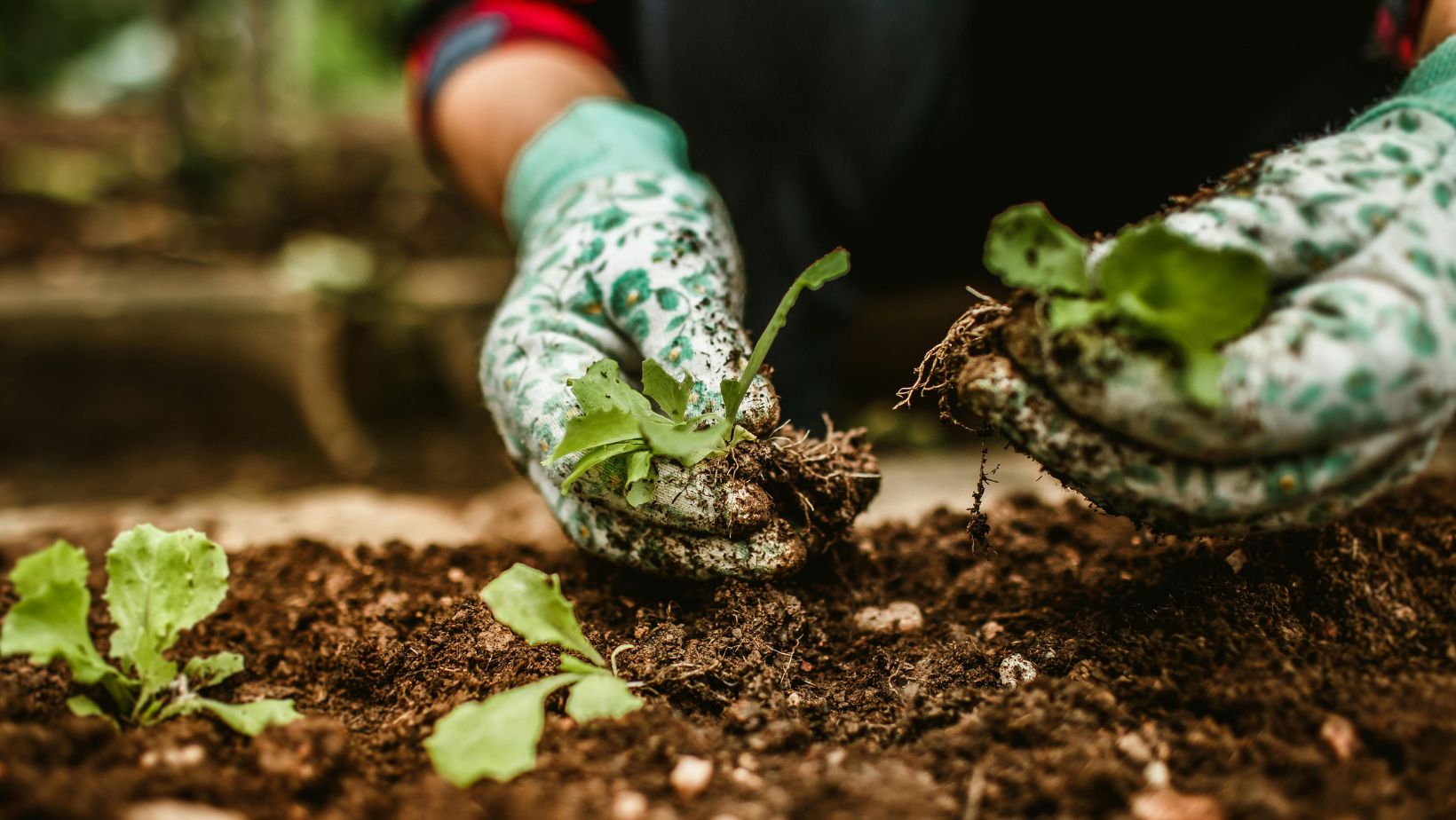
Modern sustainability can feel overwhelming. People want to make a difference but don’t always know where to start. Gardening offers a practical entry point into eco-conscious living. Growing even a small portion of your food reduces dependence on large-scale systems, cuts waste, and encourages mindful consumption.
It’s also a way to restore balance in small ecosystems. Planting native species helps pollinators like bees and butterflies. Composting turns waste into nourishment. Collecting rainwater supports conservation. Each of these simple actions contributes to something larger, turning the garden into a quiet act of stewardship.
Victoria Nicolai often highlights how this form of “micro-activism” matters just as much as big policy change. When enough individuals commit to nurturing their small corner of the world, the collective effect is transformative. Gardens become models of sustainability, showing that care and intention can reshape not just our surroundings but our mindset toward the environment.
Lessons in Growth and Gratitude
A garden is also a teacher. It shows us that not everything grows at the same pace, that setbacks are part of the process, and that beauty often comes after struggle. Every failed crop or wilted leaf carries a lesson in humility and persistence. Those lessons easily translate to how we approach relationships, work, and personal growth.

There’s also gratitude woven into the experience. Each harvest, no matter how small, feels earned. It comes from time, attention, and care, qualities that are often undervalued in modern life. Gardening brings them back to the forefront. It reminds us to appreciate what’s within our control and to release what isn’t.
Growing Together
Perhaps the most powerful part of gardening is how it blends solitude and togetherness. You can lose yourself in the quiet act of pruning a rosebush, yet feel connected to something far beyond your own backyard. You can plant a single tree and know it will offer shade to someone you’ll never meet. For those looking to explore how gardening can enrich their lives and their communities, Vikki Nicolai La Crosse continues to share insights on turning soil into sanctuary, showing that what starts in the garden often grows far beyond it.