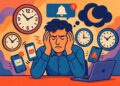
Depression is a complex mental health condition that affects millions of people worldwide. Understanding the different depression types and recognizing the signs early is crucial in seeking help and treatment. This article explores common depression types, subtle symptoms, and effective ways to manage and treat depression.
Types of Depression
There are several depression types, each with unique characteristics and treatment considerations. Recognizing these can help individuals and caregivers respond appropriately.
Major Depressive Disorder (MDD)
Major depressive disorder is the most common type of depression. Individuals with MDD mayy experience persistent feelings of sadness, hopelessness, and a loss of interest in activities they once enjoyed. These symptoms often interfere with daily functioning, making professional support essential.
Persistent Depressive Disorder (PDD)
Also known as dysthymia, PDD is a chronic form of depression lasting at least two years. People with PDD may experience low-grade depressive symptoms, such as fatigue, low self-esteem, and difficulty concentrating, which can go unnoticed for long periods.
Bipolar Disorder
Though technically classified as a mood disorder, bipolar disorder involves depressive episodes alongside manic highs. These extreme mood swings can disrupt daily life and may require specialized treatment to manage both depression and mania.
Seasonal Affective Disorder (SAD)
SAD is a type of depression triggered by seasonal changes, typically occurring during fall and winter months. Reduced sunlight can lead to low energy, irritability, and sadness, which often improve during brighter months.
Postpartum Depression
Postpartum depression affects new mothers following childbirth. Symptoms include sadness, anxiety, and difficulty bonding with the baby. Early recognition and treatment are vital for both mother and child.

Each of these depression types may present differently, and a professional evaluation is recommended for an accurate diagnosis.
Hidden Signs and Symptoms of Depression
Recognizing the early signs of depression can help individuals take action before the condition worsens. Some symptoms may be subtle and not directly linked to sadness.
- Changes in appetite and weight: Depression can cause weight gain or loss due to emotional distress.
- Sleep disturbances: Individuals may experience insomnia or sleep excessively.
- Increased alcohol or substance use: Some may use substances to cope, which can worsen symptoms.
- Persistent negative self-talk: Constant self-criticism and feelings of worthlessness are common.
- Fatigue and low energy: Mental and physical exhaustion may occur even after rest.
- Masking emotions: Pretending to be happy or withdrawing socially can hide underlying depression.
- Difficulty concentrating: Depression often impairs focus, decision-making, and memory.
- Loss of interest in activities: Hobbies and social engagements may feel burdensome or unimportant.
- Physical discomfort: Headaches, stomachaches, or chronic pain may accompany depression.
- Personality changes: Irritability, mood swings, or withdrawal can indicate depression.
Ways to Treat Depression
Once depression is identified, seeking treatment is essential. Effective approaches often involve a combination of professional guidance, therapy, and lifestyle adjustments.
Medication
Medications such as antidepressants can help regulate brain chemistry and improve mood. Selective serotonin reuptake inhibitors (SSRIs), including Lexapro, are commonly prescribed. Consulting a healthcare provider is necessary to determine the right medication.
Cognitive Behavioral Therapy (CBT)
CBT is a structured form of therapy that helps to address negative thought patterns and behaviors. By learning to reframe thoughts, individuals may be able to manage their symptoms and develop healthier coping strategies. Combining CBT with medication often yields the best results.
Exercise and Lifestyle Changes
Physical activity releases endorphins, the body’s natural mood boosters. Regular exercise, balanced nutrition, and sufficient sleep can help reduce depression severity. Even simple daily activities, such as walking or stretching, can support mental health.
Seeking Support
Recognizing signs and symptoms of depression is the first step. Platforms like Klinic connect individuals with licensed healthcare providers, allowing access to medication prescriptions like Lexapro online and offering guidance for effective treatment.
Key Takeaways
Depression can take many forms, and understanding different depression types is key to recognizing early symptoms. Awareness of hidden signs, combined with proper treatment and support, can help individuals regain control over their lives. Whether through medication, therapy, exercise, or online healthcare platforms like Klinic, there are effective ways to manage depression and improve overall well-being.
By staying informed and seeking help early, it’s possible to navigate depression successfully and lead a fulfilling life.