Do you ever get the feeling that life can be pretty random? You can see a series of events that seem connected, or you can think that some things are “due” because of what came before. Our brains naturally seek patterns everywhere, even when there aren’t any.
Why We Look for Patterns
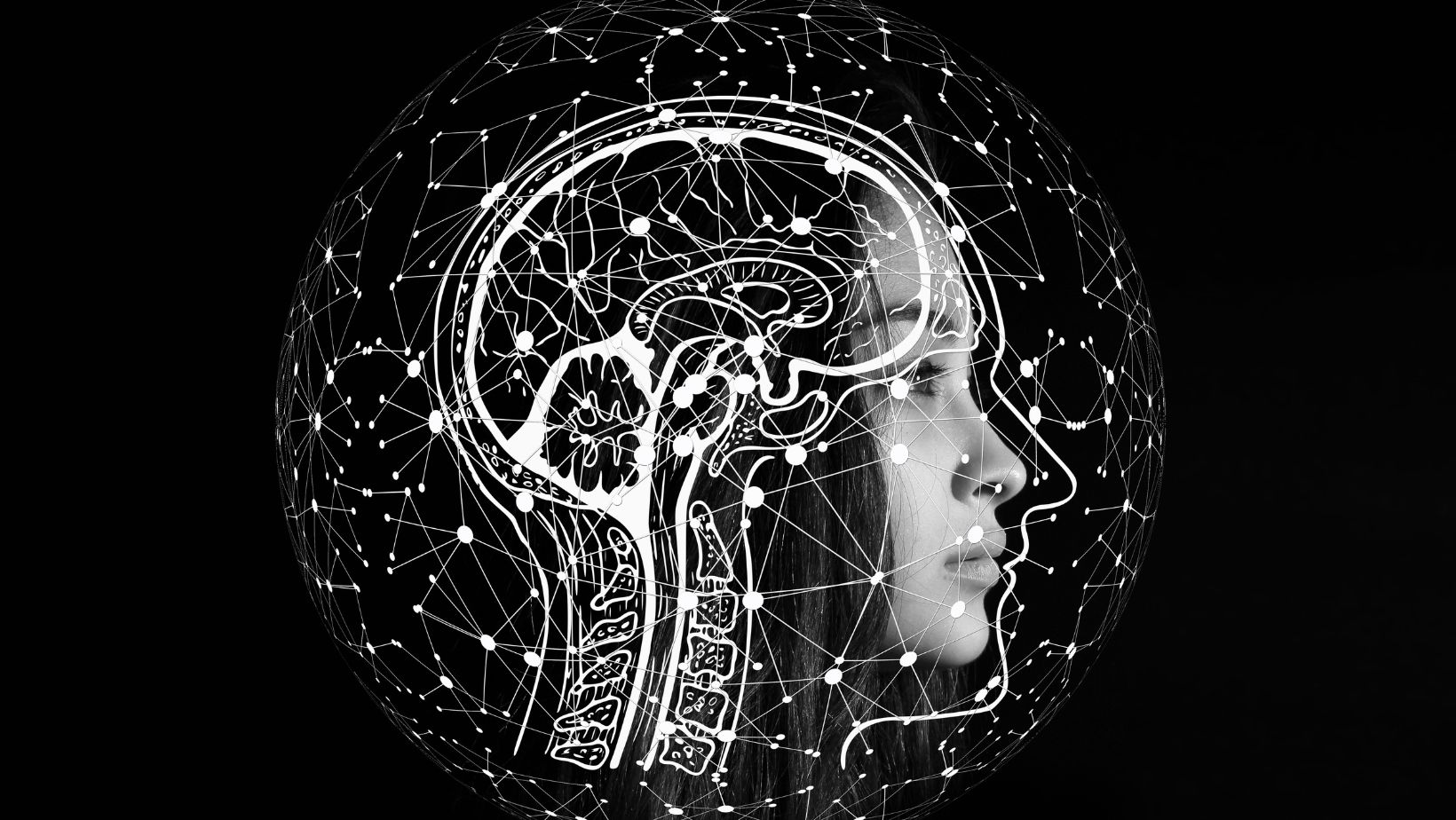
Our brains naturally seek patterns. This skill enabled our ancestors to avoid dangers or seize opportunities promptly. For example, hearing a rustle in the bushes could mean that a predator is nearby, so it would be important to notice that pattern. This same instinct allows us today to notice connections in everyday life — finding patterns in the clouds and believing that if several fortunate things have happened to us recently, then something special must be going on.
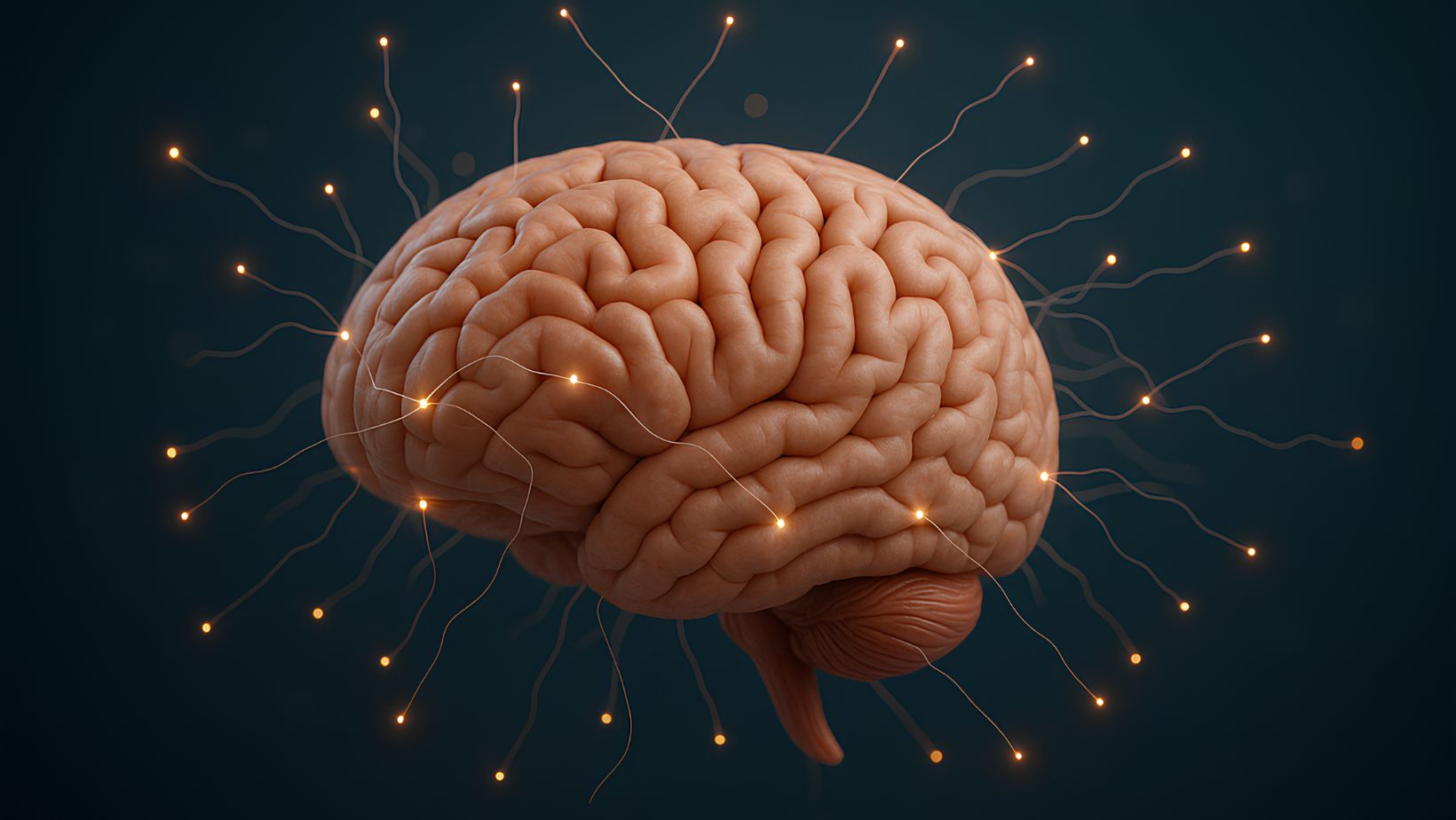
However, this inclination to search for patterns can also mislead us. We could perceive order in pure randomness, an effect known as apophenia. This tendency explains why people often believe that coincidences are actually just random occurrences. Our minds yearn to make sense of the world, so we invent stories or find meaning where there is none.
The Illusion of Randomness
In the case of true randomness, things occur without any predictable pattern or association. For example, flipping a fair coin ensures an equal 50% chance of either heads or tails, regardless of the previous outcome. But the human brain doesn’t always accept it. If a coin shows heads five times in a row, most people somehow anticipate tails on the sixth toss, believing the odds to have changed.
This type of thinking is an example of the gambler’s fallacy. The gambler’s fallacy is the fallacious belief that, if an event has occurred less frequently than expected in the past, it is more likely to happen in the future. It got its name from gamblers who believed that after a long run of one outcome, the opposite was “due.” For example, at the Monte Carlo casino in 1913, the ball fell on black 26 times in a row. Many gamblers doubled down heavily on red because they believed it was due and assumed that black was unlikely to come up next, but the likelihood of either black or red was identical on each spin. Those who disregarded this fact suffered significant financial losses.
Why the Gambler’s Fallacy Happens
The gambler’s fallacy arises from people’s desire for fairness or balance in the face of random fluctuations. We have an expectation that outcomes will “even out” in the short run, but random and unpredictable events don’t work that way. Each event is separate; the past doesn’t influence the future. Regardless of past events, the odds remain unchanged.

This kind of fallacy can lead to decisions. Those who bet or choose differently based on flawed beliefs about patterns only increase their chances of losing.
Final Words
Accepting randomness does not mean that life is meaningless. Rather, it teaches us to value the unexpected and resist the deception of false patterns. Sometimes, the world is simply unpredictable — and that’s okay.