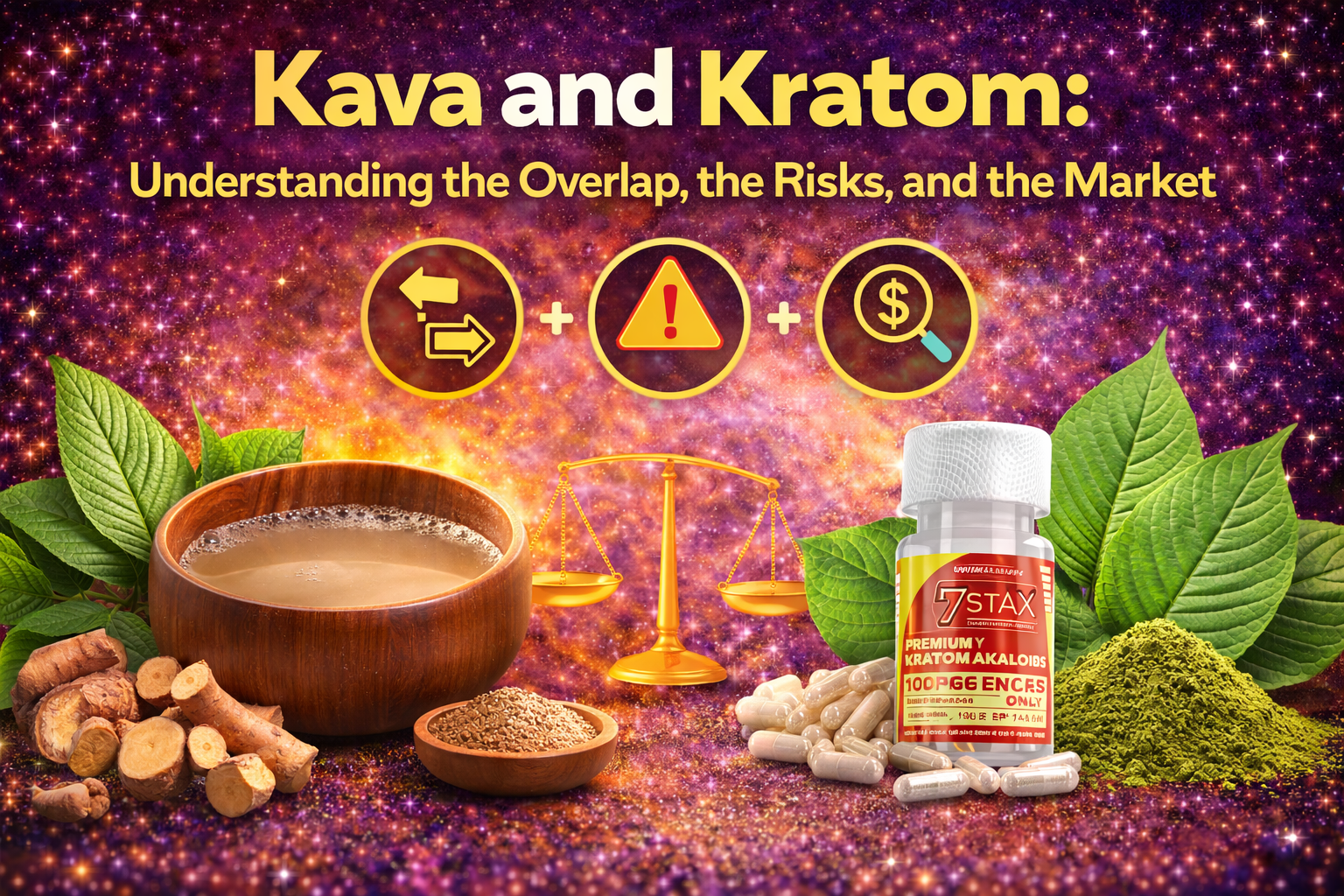
Kava and kratom are both plant-derived substances with long histories of traditional use in their regions of origin. Kava, from the Piper methysticum plant native to the Pacific Islands, produces relaxation through kavalactones that modulate GABA receptors. Kratom, from the Southeast Asian Mitragyna speciosa tree, produces stimulant or sedative effects through alkaloids that interact with opioid and adrenergic receptors.
Increasingly, these two substances are being combined in commercial beverages and consumed together by individuals seeking complementary effects. A CDC Morbidity and Mortality Weekly Report published in April 2026 has brought fresh urgency to understanding the risks of this combination.
What the CDC Data Shows?
The CDC report analysed calls to U.S. poison control centres involving kava and found a 383 percent increase from 2011 to 2025. Critically, approximately one third of kava-related calls in 2025 also involved kratom. Nearly half of all kava-related exposures involved co-use with other substances, including alcohol and benzodiazepines, and about a third resulted in hospitalisation or serious clinical outcomes.
These figures do not isolate the contribution of each substance to adverse outcomes, and the researchers acknowledged that the data cannot distinguish between natural kratom leaf products and concentrated 7-OH formulations. However, the trend is unambiguous: combined use of kava and kratom is increasing, and so are the associated health risks.
The Pharmacological Overlap
Understanding why combining kava and kratom carries elevated risk requires a basic understanding of their mechanisms. Kava’s kavalactones produce sedation by enhancing GABAergic signalling, the same neurotransmitter system targeted by benzodiazepines and alcohol. Kratom’s alkaloids, particularly 7-hydroxymitragynine, produce sedation through opioid receptor activation.
When both substances are consumed together, the sedative effects can compound. GABAergic sedation layered on top of opioidergic sedation creates a combined central nervous system depression that exceeds what either substance would produce alone. This compounding effect increases the risk of excessive drowsiness, respiratory depression, and loss of consciousness.
The risk is further amplified when alcohol, a third GABAergic depressant, is added to the mix, which the CDC data suggests is occurring in a significant proportion of cases. The broader principle here applies to any substance combination: mixing psychoactive substances carries compounding risks that are often unpredictable at the individual level.
The Commercial Beverage Market
The rise of kava-kratom combination beverages has been driven by entrepreneurial brands positioning these drinks as natural alternatives to alcohol. Some products have achieved mainstream retail distribution, appearing in convenience stores, gas stations, and even national chain retailers.
Marketing strategies for these beverages typically emphasise relaxation, mood enhancement, and social enjoyment, framing the products as functional beverages comparable to craft cocktails or wellness tonics. However, unlike regulated alcoholic beverages, kava-kratom drinks currently lack standardised labelling requirements for active compound concentrations, serving size guidance, and interaction warnings.
The inconsistency in product formulation is a core concern. Mitragynine concentrations in tested commercial kratom products have been shown to vary dramatically from one brand to another, and the addition of kava compounds multiplies the complexity of predicting a given product’s overall pharmacological impact.
Harm Reduction for Consumers
Consumers who choose to use kava or kratom products should approach combination use with extreme caution. The most conservative recommendation is to avoid combining the two substances entirely, particularly if either is consumed in concentrated or extract form.
For those who do consume both, several principles apply. Never combine kava and kratom with alcohol or prescription sedatives. Start with the lowest possible dose of each substance and assess the combined effect before any redosing. Allow sufficient time between consumption of each substance to gauge the individual effects before layering additional compounds.
Consumers should also understand the distinction between traditional kratom leaf products, which contain naturally low levels of 7-OH, and concentrated products that may deliver substantially higher alkaloid loads. Choosing products from retailers that organise their catalogues by product type and potency makes it easier to control exposure levels.
A Regulatory Wake-Up Call
The CDC report is likely to accelerate regulatory attention on both kava-kratom combination products and the broader kratom beverage category. Policymakers have already begun citing these data in legislative hearings, and the FDA’s ongoing scrutiny of 7-OH products provides a parallel regulatory pressure point.
For the industry, the path forward lies in proactive self-regulation: standardised labelling, transparent alkaloid quantification, and clear warnings about combination use. For consumers, the message is simpler: understand what you are consuming, know the risks of combining substances, and make choices grounded in data rather than marketing.